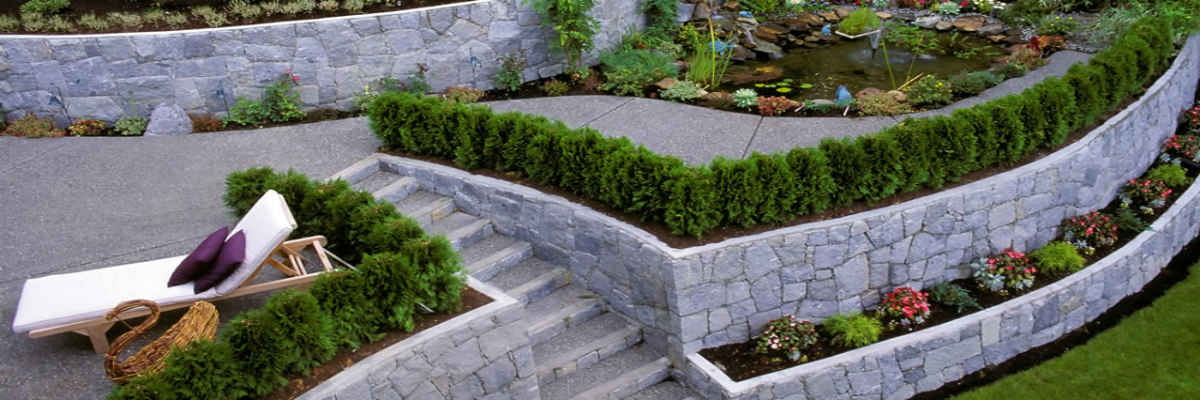
Fun Themes to Try in Your Landscape Design
If you’ve been thumbing through the pages of a home and landscape design magazine, you’ll quickly learn that there can be a lot more to the process than you might have first thought. While you can have a few ideas and designs in mind, the best landscape design is one with a theme. But what theme is going to work for you? Here are a few fun options to show your landscape expert before you begin.
An English Country Cottage
While many parts of Australia are far too hot to really pull off an English cottage look, some boast the perfect conditions. Talk to your local landscaping experts about the best flowers to offer premium ground cover and colour.
It also helps if you have the basis for that cottage appeal, such as a country-style home, rolling lawns, and shady trees. Your landscaper can then work their magic with a pond or waterfall renovation and dozens of beautiful cottage flowers to complete the look.
Cool, Calm, and Collected
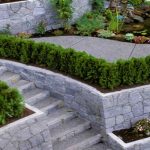
If you want your garden to be a reflection of your ‘cool, calm, and collected’ personality, then maybe a touch of European in your landscape design is the answer. Europeans love their hedges to be meticulously pruned and maintained with straight lines and dense bush.
European yards also have spacious courtyards with minimal hassle or fuss, a feature fountain, and resting areas. Talk to your local landscaper to see what they can do for you.
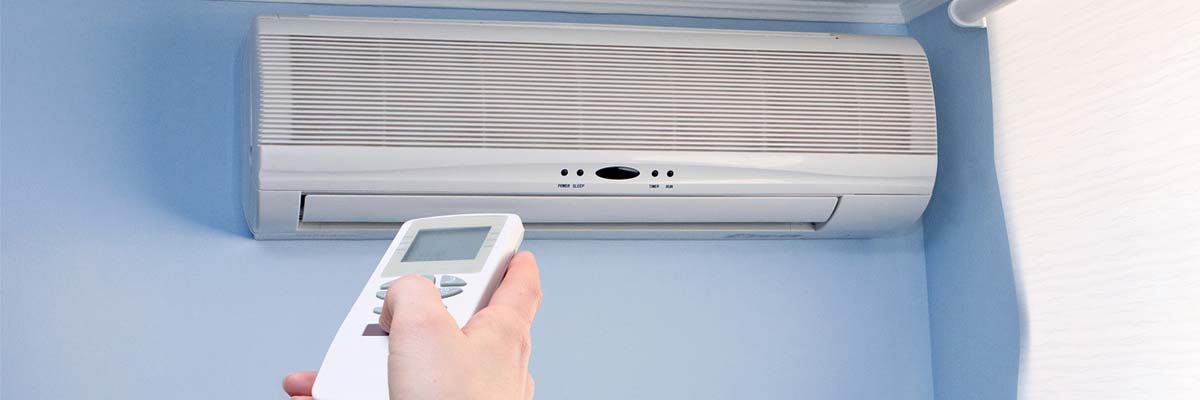
How to Get the Most Eco Friendly Air Con
These days with the constant use of air conditioning and heating, we may want to make sure we use the air con in an eco-friendly way. This not only helps to save our precious resources; it also saves on running costs and will preserve the life of your air conditioning unit. Most people consider keeping the filters clean sufficient, but there is much more you can do to help the planet that requires little effort.
- If you are getting a split system, ensure it’s an inverter. These have variable speeds, so rather than switching the compressor on and off constantly; they reduce its speed automatically to match demand. This results in less power use and less wear the tear on the compressor.
- Evaporative air conditioning are one of the most eco-friendly cooling options. They utilize a natural process and lack harmful artificial refrigerants. Additionally, they constantly circulate entirely fresh, cooled air within your home.
- Before purchasing an air con, ensure it is the right size. If you get one too big for the area to be cooled, it will constantly turn on and off, which costs more to run. If it is too small, you won’t be as cool, and the unit will always work harder to cool the area. This will make it wear out much more quickly.
- A licensed electrician and authorised air conditioner installer will know how to estimate your heat load and tell you what size unit would be best.
- Look at the energy rating labels on the air con before you choose what to get. The blue band is for cool air, and the red band is for heat. In some cases, there is another short band above the bottom one that also contains stars. If they are solid in this area, air con is super efficient. 7 to 10 stars is good for efficiency and so sustainability.

10 Innovative Uses Of Solar Energy In Your Home
Solar energy, including solar panels, has become a hot topic for good reasons. Not only is it a renewable energy source, but it also helps homeowners save money on their energy bills. With the rise of innovative technology and smart home automation, homeowners can use the solar energy they have saved from investing in a solar energy system from a professional solar panel company. In this blog post, we explore ten innovative uses of solar energy at home that can help save money and reduce your carbon footprint.
Solar Panels: This is the best-known and most popular choice for homeowners using solar energy to power their homes. They convert sunlight into electricity, which is then used to power your home. Solar panels are an excellent investment for homeowners who live in areas with plenty of sunlight, as they can help you save considerable money on your electricity bills over time.
Solar Water Heaters: Solar water heaters use the sun’s energy to heat water for your home. They are ideal for families that use a lot of hot water, as they can help reduce heating costs.
Solar-Powered Lights: Solar-powered lights are inexpensive and an excellent option for those who want to light up their outdoor spaces without using electricity from the grid. They work by absorbing sunlight during the day and then using that energy to power the lights at night.
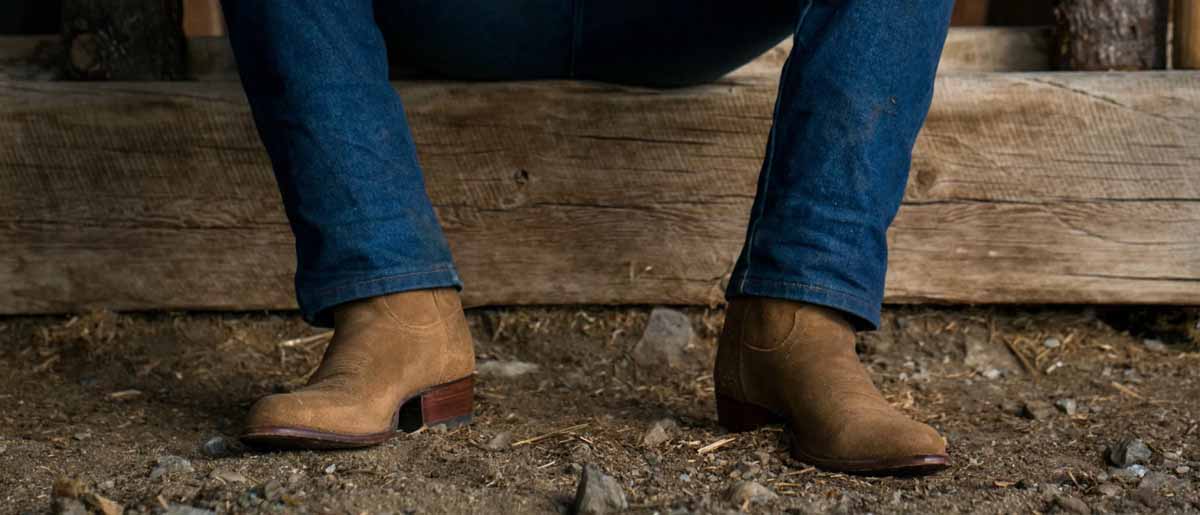
What To Look For In A Pair Of Sustainable Pair Of Western Boots
Some will buy a pair of leather western boots from kaderbootco.com.au and think of no more than whether they like the style and that the price seems good value for money. There is nothing wrong with that approach. However, if you are someone whose radar is tuned, not only to buy the best western boots at a reasonable price but also how the products you buy impact the environment, then your thought process when buying your western boots will be somewhat different.
It will be different because a factor in your buying decision will be the level to which any pair of western boots can be considered sustainable. In addition, there will be varying degrees by which people will measure sustainability, and they may even have contrasting definitions of what sustainability means.
For some, sustainability means that every element of a product has to be proven to be from an ethical source and that nothing used to make it can come from any living creature. At the other end of the scale will be those where the level of sustainability does not need to reach such heights and as long as they feel the manufacturing of the boots and the materials used come from sustainable and renewable sources, they are content.
Our intention here is not to specify which of these two approaches or any approach in between is the right one. If you are happy with your approach, then it is right for you, which is the important point. What we will do though is give you pointers as to what to look for, or to ask the retailer or brand selling the western boots, so that you can determine their sustainability credentials.
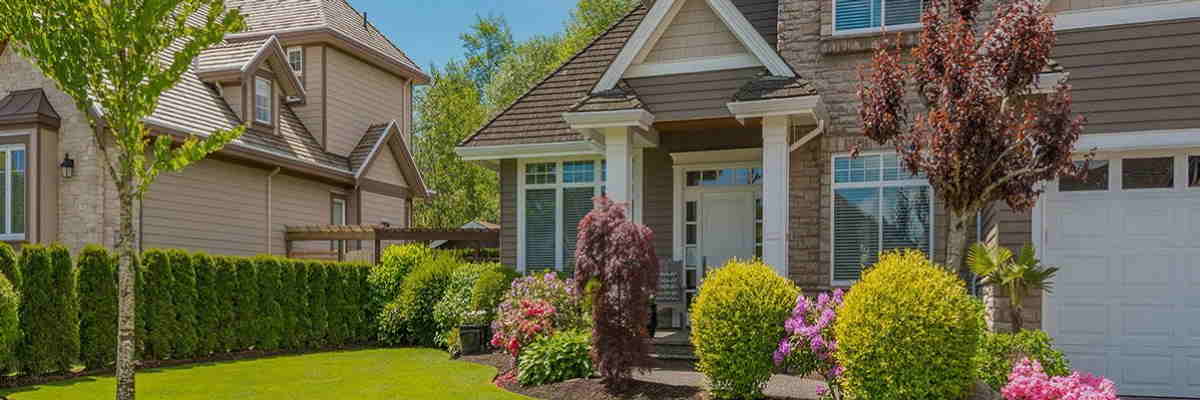
4 Advantages of Landscape Design
When your yard is not as functional, beautiful, or practical as you hoped it would be, you’re likely thinking about improvements you can make. Some landscape design ideas you come up with might be an outdoor entertainment area, pathways, and improved lighting.
While these are all grand ideas achievable with the DIY spirit, that doesn’t mean you won’t benefit from expert advice and assistance from someone who makes a living from landscape design.
If you’re on the fence about bringing in the experts, the following advantages of landscape design may have you changing your mind.
Year-Round Enjoyment
Many homeowners find that they can only use their yard at certain times of the year. The grass might be too muddy in winter, or there is not enough shelter from the elements. You might even struggle with bugs, which means you’re limited to use at certain times of the day.
When you hire someone with experience in landscape design, these can all be considerations. They can create functional spaces that look beautiful year-round while also being usable year-round, as well.
How are Pearls Made?
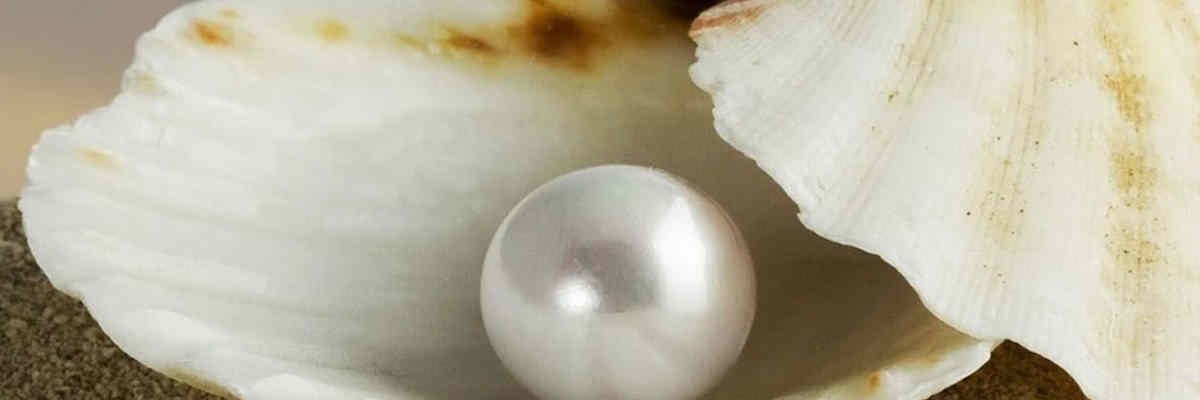
A pearl engagement ring may not be on the cards for you, but what about another piece of jewellery like a bracelet, earrings, or necklace? Pearls can be a beautiful focal point of any jewellery, while also being something that can suit any outfit you wear.
Still, have you ever been curious about how pearls are made? The following information may just surprise you.
The Three Pearl Types
You may not be aware, but there are three pearl types with three very different production processes. These consist of cultured, imitation, and natural. They come with different price tags based on how they form.
Natural pearls are, of course, formed naturally. We’ll go into more detail on this process below. You can also purchase a cultured pearl that has a little bit of human intervention into the “natural” process.

15 Tips for Saving the Environment
Whether you have a large business or a small one such as doing web design from home, sustainability is important. Not only does it help save the earth’s resources, it usually helps the bottom line of your business as well. Even if you can only implement one or two sustainable practices it all helps; if every business did the same the earth would soon become pristine again.
There are many green practices that can be implemented by small and large businesses alike. Here are some of them.
- Use natural light and ventilation wherever possible.
- Pop on a jumper before switching on the heater or air conditioner.
- Using an air-con takes less power than a radiant heater – so long as it’s a modern one
- Use scrap paper for note-taking. This is easier when you have a box or tray especially for waste paper. You might print out something you don’t need now or that had an error. Keep those sheets to use for scrap. You can write notes on the back of them
- When printing, use greyscale or toner save mode for in-house copy. Make sure recycled paper does not contain sensitive information.
5 Great Outdoor Lighting Ideas For Your Concrete Swimming Pool
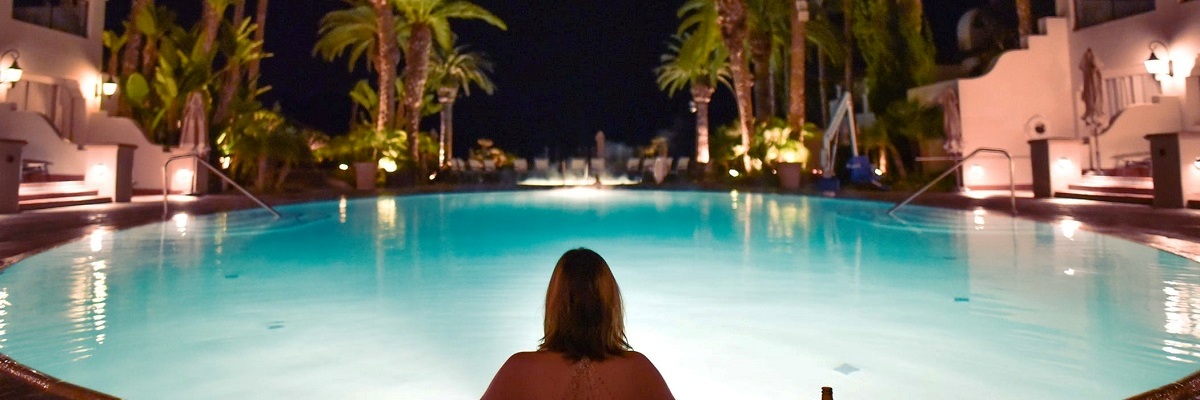
One of the great things about having a concrete pool on your property is that you have an almost unlimited choice of how to design it and the surrounding area with your pool designers. Not only does it add value to your property but the way in which the aesthetics of your property can be enhanced by a concrete pool is incredible
An option for enhancing it further is with the use of outdoor lighting, which can turn what might look like a pleasant and attractive pool area during the day, into a stunningly beautiful location at night. To get the wheels turning in your mind in terms of ideas, here are 5 of our favourite options for outdoor lighting for pools.
Underwater Lights
This is one of our favourites as nothing makes a pool more appealing for a swim at night than the lights that are underwater. Not only can they make a pool look stunning, especially if they are coloured lights, but they perform a more practical function in terms of making the pool safer. With the water lit from underneath it is easier to see that someone is in the pool especially if the surrounding light is not particularly bright.
Spotlights
These are great when you want specific features in and around the outside of your property to be highlighted at night. You may have a tree, certain flowers, or it could be some items of the garden and poolside furniture that you want to shine a light on. If you install some adjustable spotlights they can be positioned to shine on the pool when it is being used, and again the use of coloured lighting will enhance the atmosphere.
5 Ways to Go Green In Your Business
Going green in your business is not only important to help save resources, it often means a savings in costs that you didn’t expect. Since both these things are positive, there is really no reason for not making at least some changes towards sustainability, whether you run a small SEO business like SEO Perth or a coffee shop.
Here are 5 ways to go green in your business –
- Saving on water usage is easy.
- Install low-flow toilets
- Fix dripping taps or leaking cisterns
- Choose low-flow taps and shower heads.
- If you have an outdoor area to maintain, use drought tolerant plants and mulch to prevent soil drying out. Install irrigation with a sensor so water is not wasted.
- If you clean with a hose, use a high pressure washer because it will use less water
- Waste reduction in the office
- In the office kitchen use bulk supplies of condiments rather than single serves, which are way more expensive.
- Encourage employees to bring refillable water bottles and their own coffee mugs, instead of using bottled water and plastic mugs.
- Compost kitchen waste and offer it to local growers
- Consider warm air hand dryers if you want to go paperless
- Save documents digitally if possible.
Common Causes Of Landscaped Garden Flooding
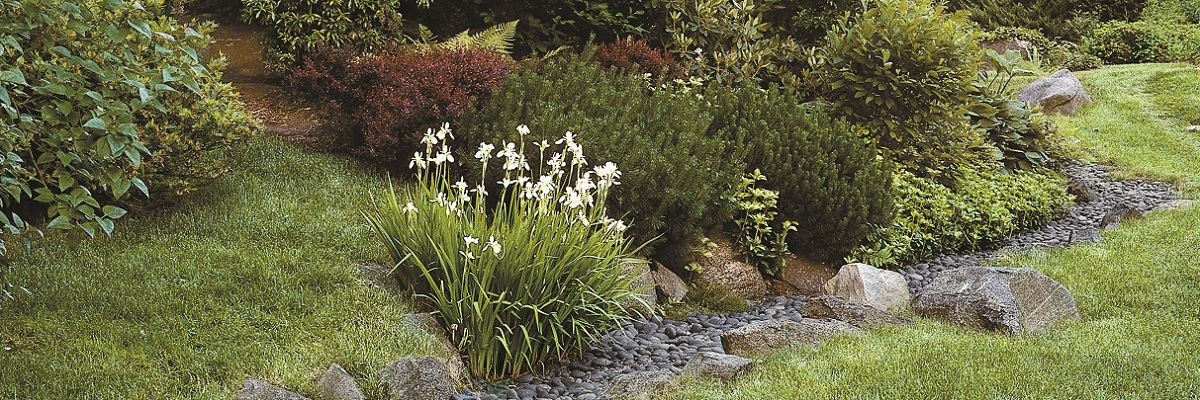
There are not many things that cause more despair than looking out and seeing that your beautiful landscaping has been flooded. Whilst water is something that we should cherish, especially as it keeps us alive, it does take on a different persona when it is responsible for creating what can only be described as a soggy bog in your garden.
According to Sydney based landscapers www.divinelandscapes.com.au we always automatically assume that our landscaped garden gets flooded due to rain falling from above, and whilst that will normally the source, there are others which are below, and not above.
When we say below, what we mean is that there may be poor drainage in and around your garden, and this can occur for reasons that do not become apparent until the first time you have a prolonged spell of rain.
Examples of where flooding in your garden has causes under the ground include a neighbours drainage system diverting water to your garden, building work close by, normally in neighbours, causing water to be diverted, or it could be that the water table under your garden is simply too high.
Others causes can be that your property, including your garden, is built on ground which contains water-retentive clay, is built at a level lower than your neighbours, or is at or near the foot of a hill.
Now unless there has been a burst water main nearby, obviously, the original source of the water will likely be rain. The real problems start when this rainwater is not able to drain properly or is diverted in some way into your garden for the reasons we have cited, and thus causes the flooding in and around your landscaping.
 Fun Themes to Try in Your Landscape DesignMarch 26, 2024If you’ve been thumbing through the pages of a home […]
 How to Get the Most Eco Friendly Air ConMay 26, 2023These days with the constant use of air conditioning […]
 10 Innovative Uses Of Solar Energy In Your HomeApril 5, 2023Solar energy, including solar panels, has become a […]
 What To Look For In A Pair Of Sustainable Pair Of Western BootsJune 29, 2022Some will buy a pair of leather western boots from […]
 4 Advantages of Landscape DesignJanuary 18, 2022When your yard is not as functional, beautiful, or […]
 How are Pearls Made? July 2, 2021A pearl engagement ring may not be on the cards for […]
 15 Tips for Saving the EnvironmentJune 9, 2021Whether you have a large business or a small one such […]