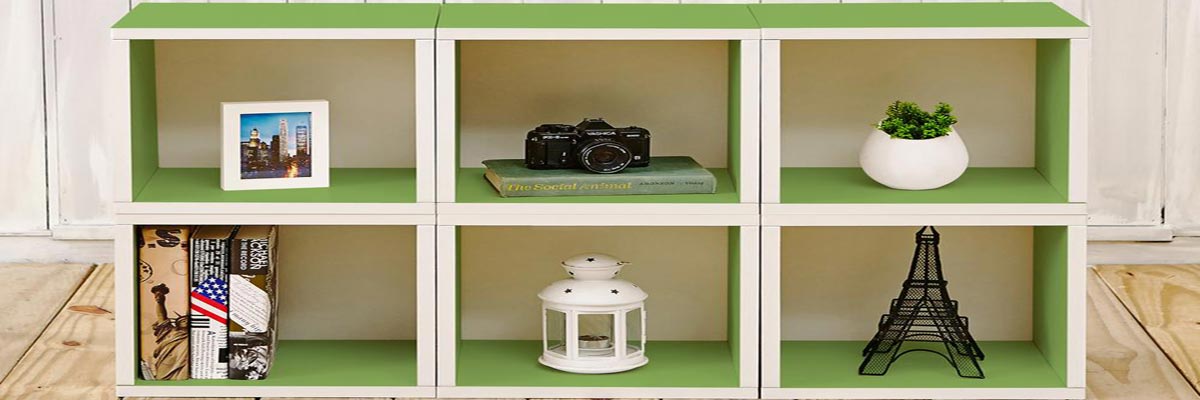
zBoards Give New Meaning To Sustainable Modular Furniture
There’s something to be said for the creative pursuit of modular home furniture. Nobody likes being “boxed” in when it comes to accessorizing — and surfing the web or burning fuel to find something that fits just right is more often than not a giant pain in the ass.
That’s why it was refreshing to come across Way Basic’s zBoards this morning. Not only are they made from 99% recycled materials (and recyclable) but they also require no tools to put together — just stick and build. From the website,
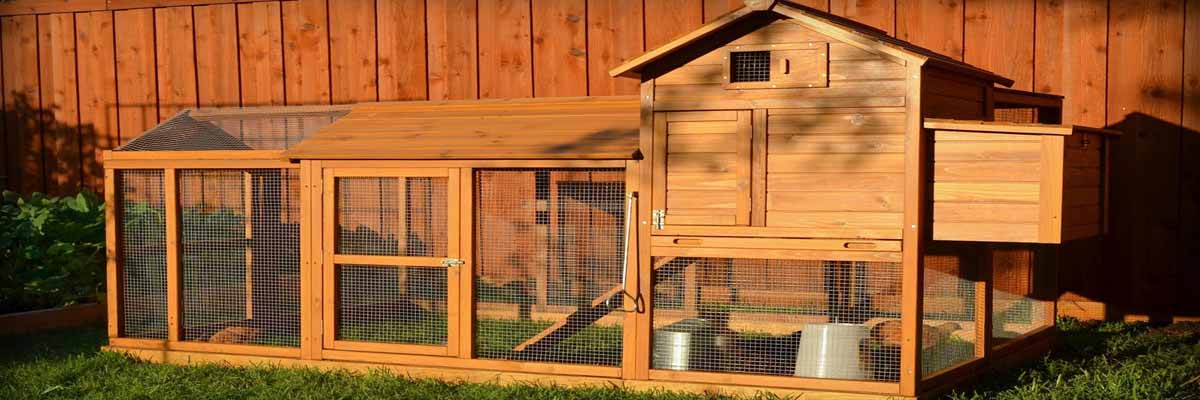
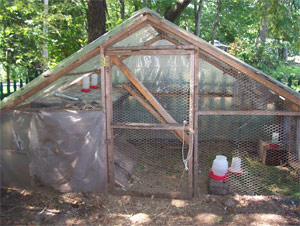
Raising Urban Chickens Part 2a-Building a Coop
While I won’t portend to be quite as well spoken as Wendy from the previous article, I will attempt in this edition to display my chicken coop and enclosure as well as discuss some aspects of it for your information.

Another Homeowners Association Slams Attempt To Go Solar
Homeowners Associations have got to be one of the more inane aspects of American society. A friend of mine moved into a neighborhood with one, completely unprepared for the mess she was getting into. Now, no toys can be left outside, all cars must be kept in the garage at all times, the grass must be a certain height and color, and every change to the home must first be approved by a “board”. It’s both a hilarious and sad way that some choose to live — all for the sake of homogeneity in aesthetics.
In March of 2007, we reported on an incident where the town of Scarsdale denied a family the opportunity to put up solar panels — on the basis that they were ugly and “not in keeping with the character of the community”. It was BS then — and it’s still BS. Now, another homeowners association in California is denying one man’s quest to reduce his electric bill by installing solar panels on his roof. Their reason? They do not believe the technology fits in with their rules and guidelines of a community with “restrained elegance.”
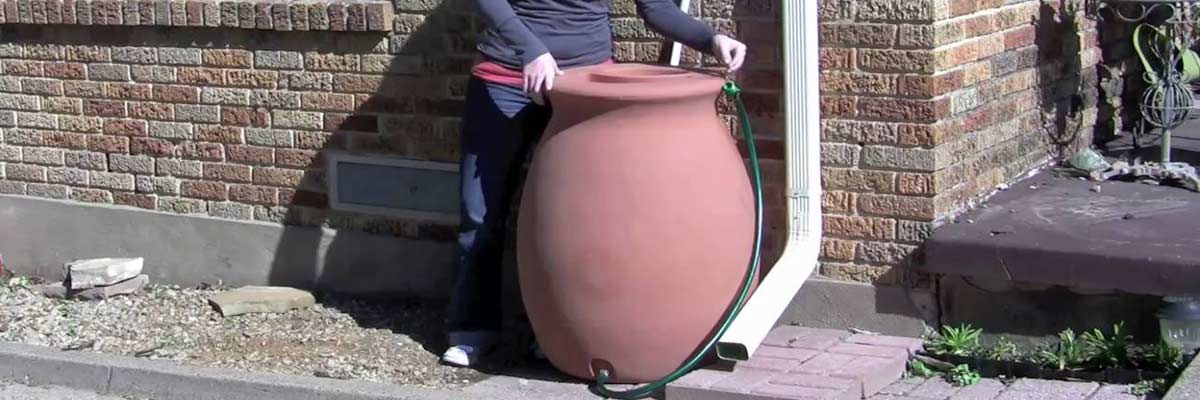
Review: The Beautiful And Functional Cascata Rain Barrel
I’ve always wanted a rain barrel. In fact, back in June,I wrote a post declaring as much and announcing my quest to pick something up that was both eye pleasing and practical. Living in Ithaca, NY, I don’t have many problems with drought — but watching all that water roll off my roof, I figured it was a waste to simply see it hit my lawn and disappear. Besides, why pay that much more for municipal water for my garden when I could capture that which fell from the sky?
I’ll admit that writing about water issues in the southwest U.S. and visiting friends in Arizona also made me curious why water conservation tactics (like rain barrels) weren’t used more. Was it because they’re still relatively unknown? Were they a pain to setup and use? I was curious and therefore wanted one. Thankfully, the folks at Garden Supermart heard my cry and hooked me up with one of their Cascata Rain Barrels. After playing around with it (I use that term loosely) for two weeks, I can sum up my reaction in one sentence: Everyone should have one.

Small Town Unites Around Local Food to Save The Town
The NY Times has an article up on their site recently discussing how a small town in Vermont is using local foods to save the local economy of their small town.
“Across the country a lot of people are doing it individually but it’s rare when you see the kind of collective they are pursuing,” said Mr. Fried, whose firm considers social and environmental issues when investing. “The bottom line is they are providing jobs and making it possible for others to have their own business.”
This is interesing to me because they are essentially building the entire local food infrastructure. They are moving past the idea of just supplying beef or vegetables to consumers at the farmer’s market. They are actually moving into producing local food products. They are preparing the town for the future where food will need to be more local. And even better, they are recirculating those food dollars in their town to be reused over and over.
Check out the article and let me know what you think.

La Cense Grass Fed Beef – Review and Giveaway!
Vote La Cense! That is the motto of the cattle ranchers of La Cense cattle ranchers. They are trying to educate the public in the benefits of grass-fed beef, and Angus La Cense is their (fictional?) candidate in the Grass-Fed Party…
Who is Angus La Cense?
Angus La Cense is a cow from the La Cense Ranch who is representing the Grass-fed Party in the upcoming election. He is an advocate of grass-fed practices that produce happier cows, healthier people, stronger rural communities, and healthy grasslands.
What is the Grass-fed Party?
The Grass-fed Party is an organization of people who support grass-fed foods and sustainable ranching and believe that America can hold higher standards to its cattle industry. The Grass-fed Party empowers citizens with the knowledge necessary to make the best choices, whether their role is the feed a family or help make new policies that work. The Grass-fed Party supports putting traditional ranching practices back in rural America to help the smaller communities thrive, to help preserve and enrich ranchlands, and to help cows eat according to their natural diets and have access to clean air and water.

Ovetto Recycling Egg Probably Not The Best Thing To Splurge On Right Now
With the worldwide economy in the trash — and people cutting back for the impending recession — we can’t help but glance sadly at the Ovetto Recycling Egg and wonder ‘what might have been?’. You see, sorting recycling can be something of a chore for people; though I’m not sure why. If I gave my parents this egg, it would probably increase their efforts to recycle beyond the guilt and shame I shower on them every time I find a bottle in the garbage.
Problem is, this little egg of wonder costs $250. I mean, it’s the garbage can of the future, but I think I’ll wait until prices drop a bit. Here’s the full description:
“Interior Architect and Designer Gianluca Soldi has designed Ovetto differenziato, or recycling egg, “an object that meets the needs of domestic waste separation in order to educate the population to correctly dispose of waste in order to be able to consequently recycle it. Ovetto fits easily in modern homes and offices and is a great gift for anyone who wants to show off their “green” engagement.” Of course, it is made of recycled polypropylene
What do you think — want one?
Making Connections and Applesauce
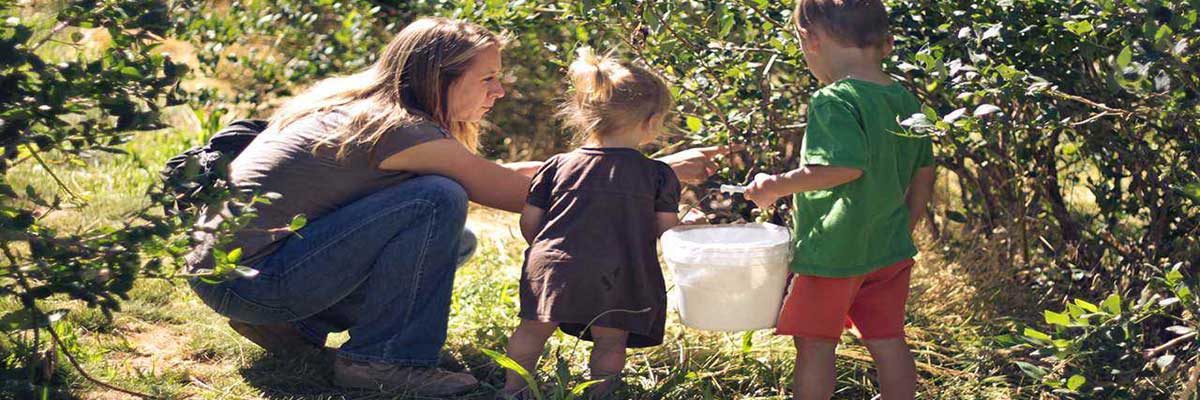
We live in the suburbs of Seattle and our neighborhood is full of regular hard working folk busy with life and not much time set aside for much else. Aside from our immediate neighbors regular communication with the rest of our neighbors is not a very common activity.
Tonight while on a walk with the kids we stopped at the home of one of our unfamiliar neighbors, previously we have only exchanged waves at a distance and usually through the windshield as he drove by our house. We stopped to see if he would let us pick some apples from the tree in his front yard. Heavy laden with some beautiful yellow apples it was just begging for us to stop!
Alan gladly gave us permission to pick some apples and invited us to come back in the spring to pick cherries from the tree in his backyard. It was apparent that these apples would most likely not all get picked and many would go to waste we were more than happy to make good use of them. In turn, I offered my services to prune this tree for him as well we would also bring him some applesauce. He was happy to share the excess of apples from his yard and the history of the tree. This Yellow Delicious apple was planted in 1987 when his second daughter was born. She has now moved out of the home but this tree remains and stands as a reminder of precious time in his family’s past.

Clorox Green Works Liquid Dishwashing Soap
I was given a sample of Clorox’s new dishwashing soap about 1 month ago. We’ve been using it to clean our pots and pans and as a liquid hand soap in our kitchen (why have two containers on the counter?). The results have been, well how can I say this, the same as our old non-environmentally friendly soap*. But isn’t that the point? Having the same dishwashing ability – without drying out our hands – and eliminating many of the chemicals that pollute our waste water. Good for clorox. Now if we could just get rid of the other 99% of the harmful chemicals that the company produces.
Siel from GreenLAGirl did a very thorough review of the benefits of this product. I was glad to see what was eliminated, and what natural ingredients they were able to replace them with.
Two dishpan-hands up for this Clorox Green Works Dishwashing Soap.
*for the record, we bought a huge industrial sized container of dish soap from BJ’s when we moved into our house. That was 4 1/2 years ago! This thing must be refilling itself as we use it. I swear.
Future Scenarios
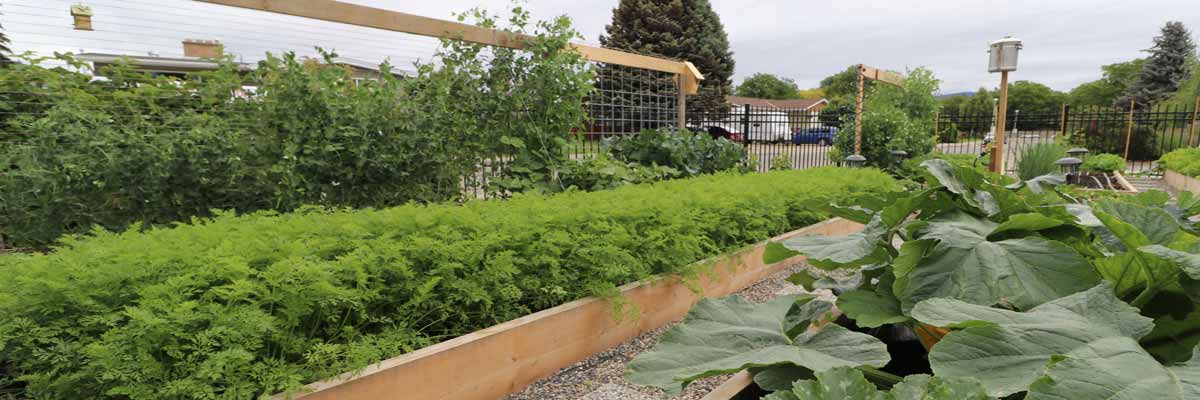
What will the next 10-20 years be like? With global climate change and peak oil what can we expect? David Holmgren co-originator of the permaculture concept has developed a new website investigating some possible outcomes.
Future Scenarios: Mapping the cultural implications and climate change.
The simultaneous onset of climate change and the peaking of global oil supply represent unprecedented challenges for human civilisation.
Global oil peak has the potential to shake if not destroy the foundations of global industrial economy and culture. Climate change has the potential to rearrange the biosphere more radically than the last ice age. Each limits the effective options for responses to the other.
Grow Food Party Crew
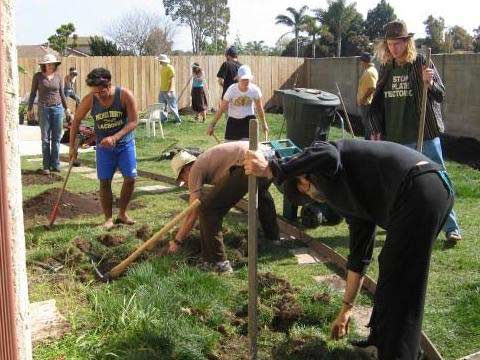
I came across this video today of a group of like-minded people working together to improve their lives. They call themselves the Grow Food Party Crew, a part of the Ojai Valley Green Coalition, their goal is to work together to build their local food shed and strengthen their community. They employ permaculture principles as their design approach to food production and land use. Projects include vegetable gardens, rainwater harvesting, as well as natural earthen structures. All the while having a great time doing it!
Why not start a Grow Food Party Crew in your neighborhood!

New Cruise Ship Designed With Solar, Efficiency In Mind
A new ship from Celebrity Cruises, currently about 80% complete, is being built with eco-friendly technology and design in ever phase of construction. Personally, I find cruises to be one of the most wasteful and benign ways to travel — but they’re not going away, and this development is welcome.
The company actually designed the hull of the ship first — a radical departure from conventional cruise ship construction where things are generally created “top down,” with passenger space configured first, then the hull constructed to fit that space. As a result, the hull is one of the most fuel-efficient possible and the rest of the ship was configured to work around it.
There will also be 80 solar panels on board to power small things such as elevators. The company acknowledges that solar is not currently a cost-effective addition, but add that as prices decrease, the infrastructure will be in place on board to carry more photovoltaics. The hope is that over time, the ship will utilize more clean energy in its consumption.
Personal Review of ASPO-USA: Day 1
[ed note: I am putting this up without the bells and whistles (links, etc.), and with perhaps a few typos. I’d rather get it up in a timely fashion and return to it to correct any mistakes. Comments are welcome and appreciated by those that can clarify or rebut my recollection of the events.]
ASPO Day 1:
Our first day of ASPO started out with a tour of Old Sacramento, followed by a chance meeting with a board member of an upstart Extended Oil Recovery (EOR) firm called Titan Oil Recovery. He described their revolutionary technique to bring life to mature oil fields, involving the Titan process which causes microbes found in the well to multiply and break down the size of oil particles trapped in rock to a small enough size to allow them to flow, increasing total recoverable crude from the well, and causing a rapid increase in production. My opinion, keep an eye on this company. If they can really do what their data showed, it my be a game changer for production in mature fields.
Raising Urban Chickens: Part 2-Building a Coop
This is a guest post by Wendy from Home Is… From reading her blog I knew she had chickens, and since she lives in Maine her knowledge of building a coop that will hold up to cold weather could be quite useful. She has written a series of articles on our site before related to her personal decision to stay in her home in the suburbs during the coming descent down Hubbert’s Peak.
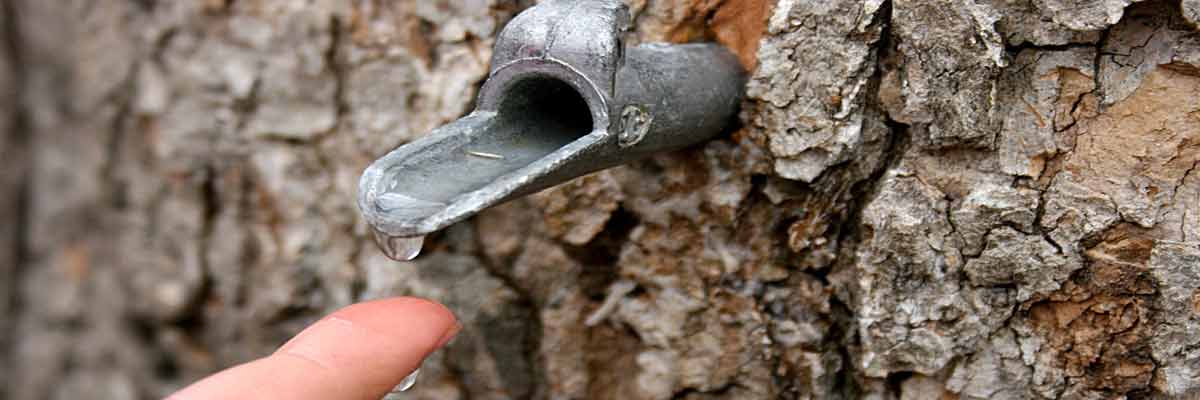
Tapping Your Maple Trees – Start Preparing Now!
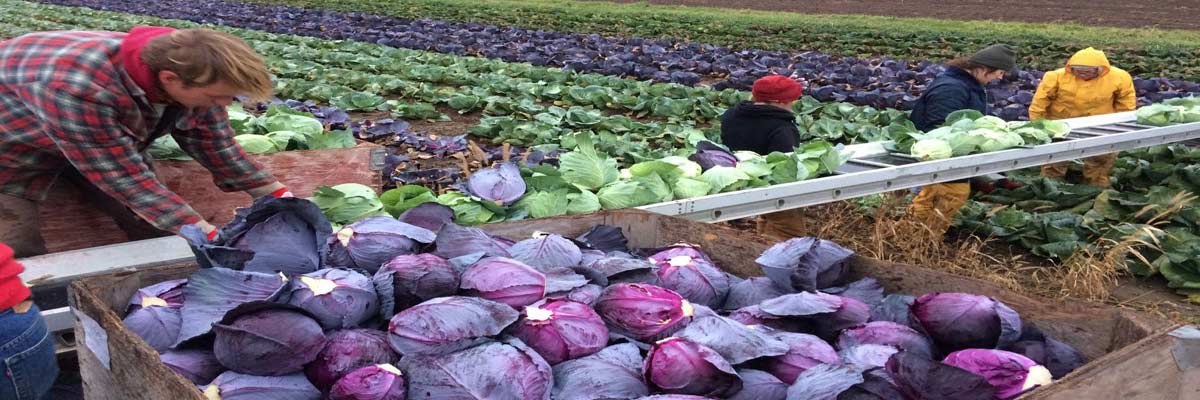
Do your children think that food comes from the supermarket or maybe the shop at the gas station? We all have opportunities to open that door to the past and learn to rely on nature to provide for our dietary needs. If we give her a chance, it is amazing how willing Mother Nature is to sustain our needs. One green (and fun) opportunity to utilize nature is to tap your maple trees to collect the sap. Now that is really tapping into Mother Nature!
I started tapping maple trees in my yard several years ago and constantly get questions about how to do this. The reality is that with the right equipment and a little direction, it is quite simple. The trick is to be prepared when the sap starts to flow (sometime in February or March depending upon weather conditions).
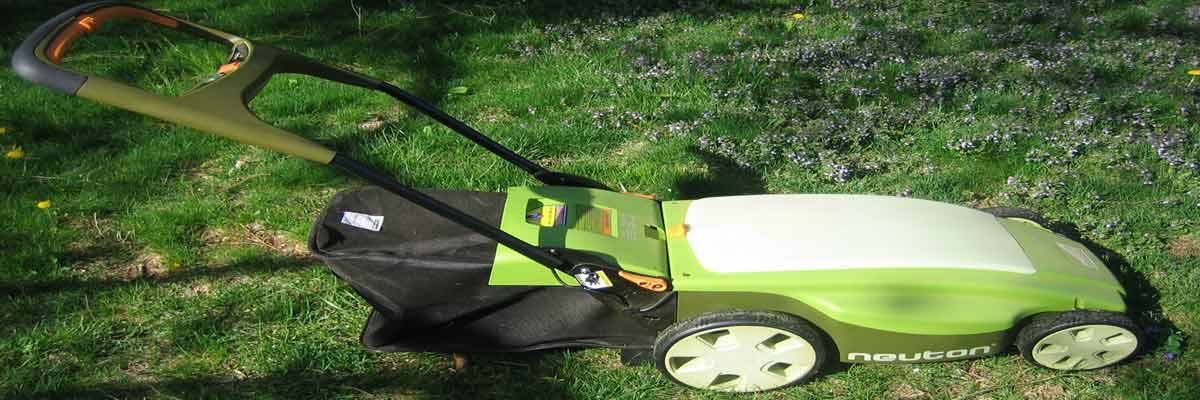
The Neuton Electric Lawn Mower Kicks Some Serious Grass
UPDATE: Ecorazzi is now giving away a Neuton in celebration of their two year anniversary. One person will be chosen at random.]
Before I start this review, you should know that I have a love/hate relationship with lawns. Living in the Northeast, they’re a necessary evil when one has not yet shifted an entire backyard to something built on permaculture. On the other hand, a recently cut lawn does look beautiful and sharp — something drilled into my head from summers of mowing other lawns to make cash in High School.
When my lawn turns colors from a lack of rain, I do not get out the sprinkler. I consider it a vacation from the weekly chore of mowing. If weeds or other variants of grass make their presence known, I consider them compliments to the scenery. It amuses/depresses me to no end the amount of resources Americans spend on the upkeep of lawns across the US — especially in places where grass has no business growing in the first place.
Why Off-Shore Drilling Won’t Make A Dent in U.S. Consumption – Graphically Presented
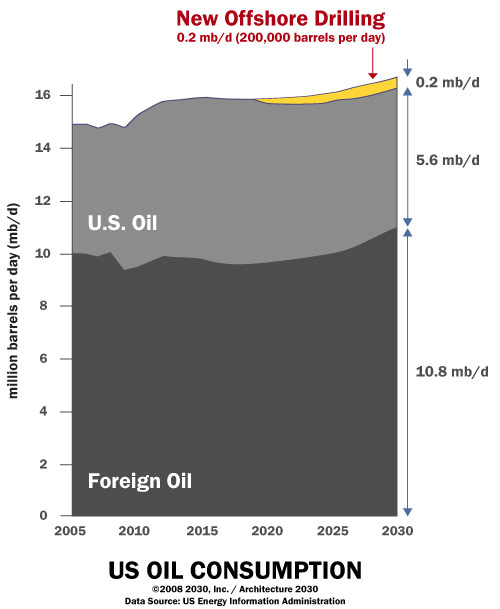
Saw this first at After Gutenberg, but it came via itsgettinghotinhere from a Architecture 2030 e-news bulletin.
A picture (or in this case, a graph) tells a thousand words.
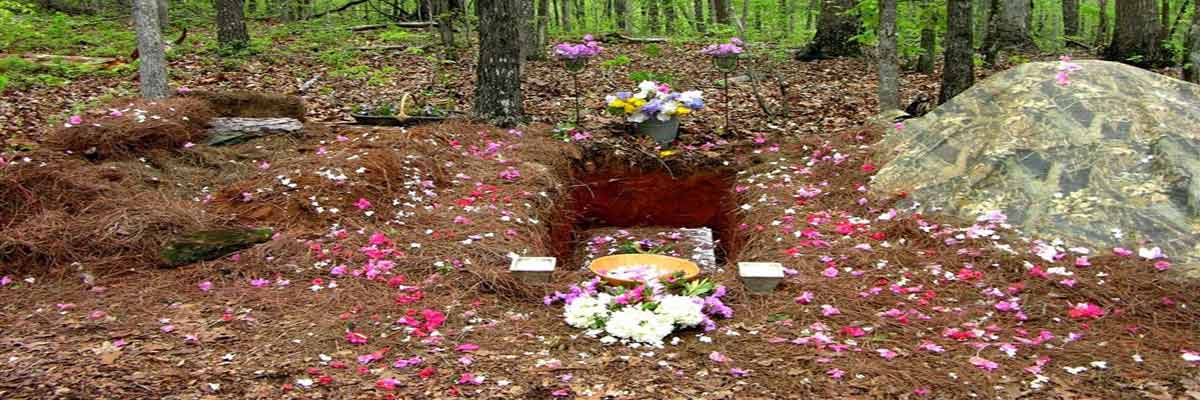
Funeral Director Argues That Natural Burial Is Harmful To The Environment
You know you’ve been sniffing a little too much embalming fluid when you argue that natural burials are bad for the planet. And yet, that’s just what a funeral director from New Zealand did while participating in a debate on the topic during a town council meeting earlier last month.
Francis Day, of Marsden House Funeral Services, told the Nelson City Council that putrefaction of a body that was not embalmed would lead to higher toxicity levels in the surrounding soil to levels “which in many places would breach World Health Organization standards.” He continued that diseases and bacteria do not die when a person die but go right on living and could put “future communities at risk”.

Breaking News… from 1987
A Calvin & Hobbes strip from July 23, 1987 – over 20 years ago…
It’s a good thing that even a six-year-old imaginary character in the funny pages knew all about global warming way back then. I mean, just think – two whole decades of progress in mitigating… er… well…
Calvin… I’m sorry buddy.
Utah Residents and Businesses Do Not Own the Water that Falls on Their Property
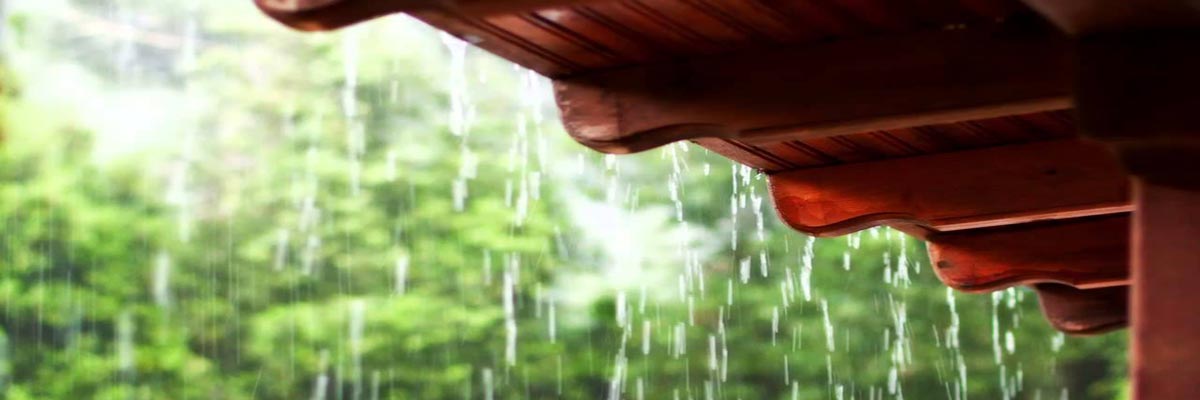
Like Colorado, Utah has laws on the books that make it illegal to collect rainwater that falls on one’s property. A Utah car dealer installed a cistern and rainwater collection system to feed a on-site car wash that has water recycling technology. This was in an attempt to “go green”. He was thwarted by the state government, and eventually had to work out a deal. Local residents who collect rainwater will not be bothered at this point because “there are bigger fish to fry”.
 Eco-friendly paint options for a healthier homeNovember 2, 2025These days, lots of people are trying to cut back on […]
 Low maintenance decking for Perth heat: fade, scratch and slip resistance explainedSeptember 11, 2025If you live in Perth then you are well aware of the […]
 How Perth WA Town Planners Are Reshaping Sustainable Development StandardsAugust 28, 2025Perth’s development game has changed completely […]
 Sourcing Materials for a Sustainable FenceJuly 5, 2025Some people don’t consider timber fencing to be […]
 Reducing Environmental Impact: Water-Based vs Solvent-Based Line Marking SolutionsMarch 29, 2025With my many years of experience in line marking in […]
 The Ultimate Guide to Reducing Water Waste in Your HomeNovember 13, 2024I have been a plumber for over 38 years. After all […]
 7 Ways Homeowners Can Use Landscaping To Boost Their Green CredentialsAugust 14, 2024Some people might think that by simply having […]