Summer Groove: Solar Pool Fence and Solar Garden Shower
Even though it’s April 16th and there’s 16 inches of snow on the ground here in Ithaca, NY, I’d like to think that I might have a use for these innovative products sometime soon. That is, if I can even get my hands on them.
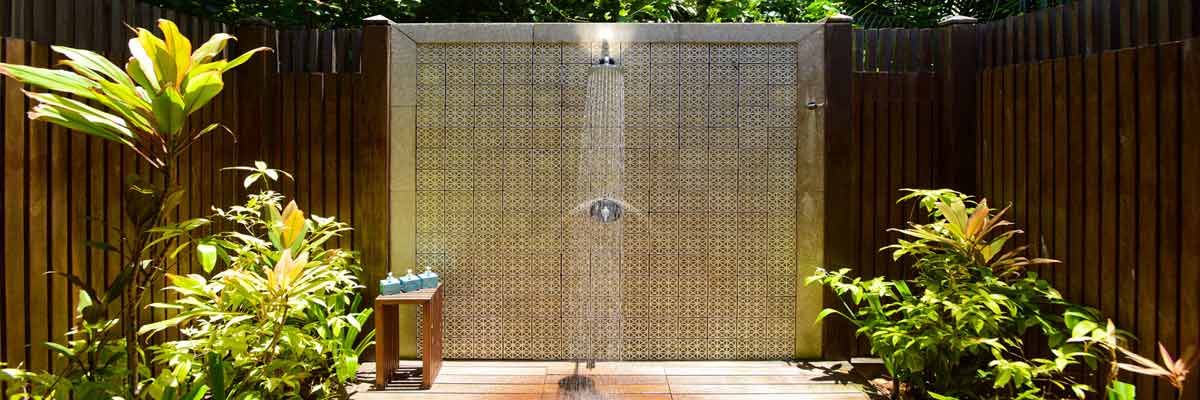
First up is a “Professional Solar Garden Shower System” called the Solar Fizz. This portable showering unit uses reflector tubes to capture solar energy and heat water to 70+ degrees Celsius. Each tube can hold 15 liters — with a complete system capable of providing hot water for an entire family. Each of the units displayed on the website is claimed to be portable; but even the 15 liter version might be a little unwieldy if you plan on roughing it somewhere. The only problem is that the technology is limited to a few countries in Europe and Asia. They’re looking for distributors in North America; no any of you eco-entrepreneurs out there — have a look! Outdoor showers are the bomb-diggity — especially pollution-free, hot showers.
Next, from the people that brought you the Solar Fizz comes the SunFence. While not quite as catchy a name, the SunFence is an innovative take on pool heating. We all know pools require fences, so why not take advantage of that standing real estate and turn those barriers into water heaters? Using a small pump that pulls water from your pool, the SunFence uses solar energy to heat the water as it pases through various levels. While this technology can’t beat a solar cover in terms of zero energy use; it’s probably more efficient at heating a pool quickly and without much hassle.
Both of these technologies appear circa 2004, so I have no idea if the concepts are even still around or for sale. Still, the websites make for interesting reading and I wouldn’t be surprised if we see more of these innovations make their way into U.S. markets soon. Anyone else ever heard of the fizz? Based on an earlier post, you might also try making one of these by yourself!
Author





 Eco-friendly paint options for a healthier homeNovember 2, 2025These days, lots of people are trying to cut back on […]
 Low maintenance decking for Perth heat: fade, scratch and slip resistance explainedSeptember 11, 2025If you live in Perth then you are well aware of the […]
 How Perth WA Town Planners Are Reshaping Sustainable Development StandardsAugust 28, 2025Perth’s development game has changed completely […]
 Sourcing Materials for a Sustainable FenceJuly 5, 2025Some people don’t consider timber fencing to be […]
 Reducing Environmental Impact: Water-Based vs Solvent-Based Line Marking SolutionsMarch 29, 2025With my many years of experience in line marking in […]
 The Ultimate Guide to Reducing Water Waste in Your HomeNovember 13, 2024I have been a plumber for over 38 years. After all […]
 7 Ways Homeowners Can Use Landscaping To Boost Their Green CredentialsAugust 14, 2024Some people might think that by simply having […]